


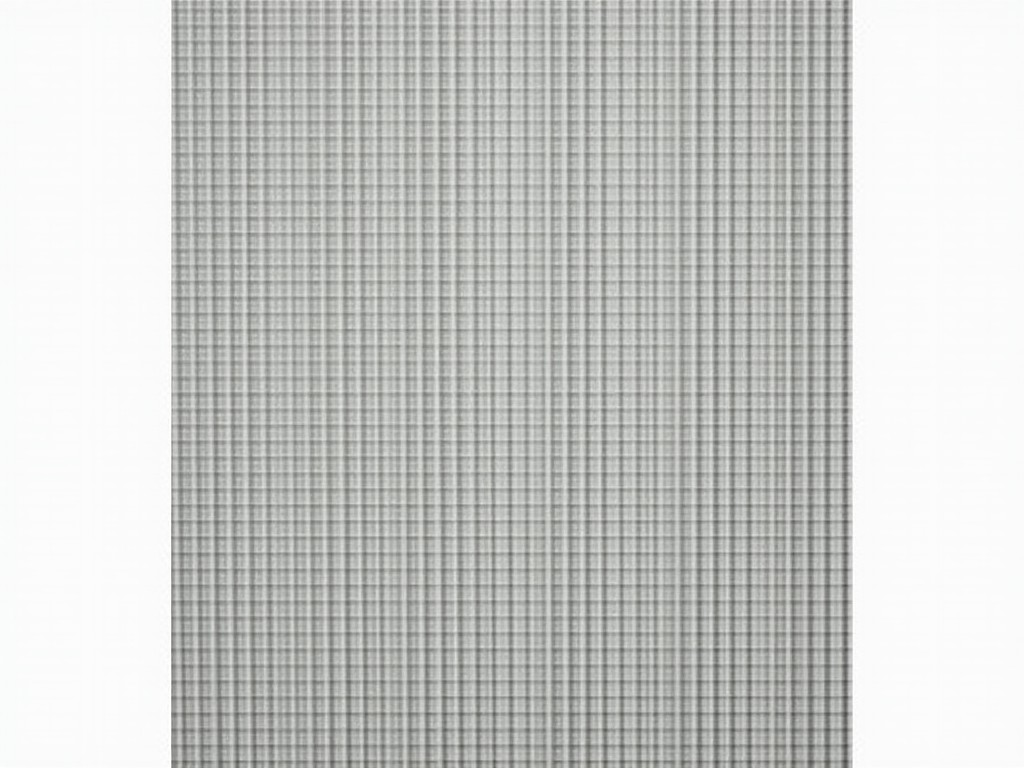
304 Powder Coated Stainless Steel Security Window Screen Mesh Suppliers
304 Powder Coated Stainless Steel Security Window Screen Mesh
This product page details the technical specifications, performance characteristics, and procurement considerations for 304 stainless steel window screen mesh with powder coating, specifically engineered for security applications in commercial and industrial environments.
Material Composition and Corrosion Resistance
The base material is AISI 304 austenitic stainless steel, containing 18% chromium and 8% nickel, which forms a passive chromium oxide layer that resists oxidation in most atmospheric and mildly corrosive environments. This composition provides inherent resistance to rust and staining without requiring additional protection in dry to moderately humid conditions.
Powder coating is applied as a secondary protective layer, typically using epoxy or polyester-based thermoset polymers cured at 180–200°C. This coating adds a barrier against chloride ingress, UV degradation, and mechanical abrasion, extending service life in coastal, industrial, or high-traffic zones where the passive layer alone may be insufficient.
The coating thickness averages 60–80 microns, measured via magnetic induction gauges, with adhesion tested per ASTM D3359 (cross-hatch tape test) to ensure minimum 4B rating. This dual-layer system combines the electrochemical stability of 304 SS with the physical protection of a durable organic finish.
Mesh Geometry and Structural Performance
Security window screens typically use a plain weave pattern with wire diameters ranging from 0.8mm to 1.2mm and aperture sizes between 1.2mm and 2.0mm. These dimensions balance visibility, airflow, and intrusion resistance—smaller apertures prevent finger or tool entry while maintaining adequate light transmission (>70%) and ventilation.
Tensile strength of the 304 SS wire ranges from 500–750 MPa, depending on cold work during drawing. After powder coating, the composite system retains >90% of the base wire’s tensile capacity, as the coating does not significantly contribute to load-bearing but protects against surface-induced fatigue.
Impact resistance is evaluated via drop-ball testing (ISO 12543-2), where a 227g steel ball dropped from 1m imparts ~2.2J of energy. Properly tensioned mesh in a reinforced frame resists deformation without wire fracture or coating delamination under repeated impacts, meeting typical security grid performance levels for ground-floor installations.
Coating Durability and Environmental Performance
Powder coating undergoes accelerated weathering per ASTM G154 (UV exposure) and ASTM B117 (salt fog). Typical results show <5% gloss loss and no blistering after 500 hours UVB exposure and 1000 hours salt spray—comparable to architectural-grade finishes used on exterior metalwork.
Coating flexibility is assessed via mandrel bend test (ASTM D522), where the coated wire withstands bending over a 3mm mandrel without cracking. This ensures the coating remains intact during weaving, framing, and thermal cycling (-20°C to +80°C).
Color stability is controlled using inorganic pigments; standard options include black (RAL 9005), dark bronze (RAL 8019), and white (RAL 9010), with ΔE < 3 after 1000 hours QUV exposure. Custom colors are available upon request, subject to pigment compatibility and minimum order quantities.
Frame Integration and Installation Considerations
The mesh is typically supplied in rolls or cut-to-size panels for integration into aluminum, steel, or PVC window frames. Attachment methods include spline grooving (using 3–4mm vinyl spline), bead insertion, or mechanical fastening with stainless steel clips or screws—each method selected based on frame material and required re-serviceability.
Thermal expansion mismatch between 304 SS (16 µm/m·°C) and common frame materials (e.g., aluminum at 23 µm/m·°C) is accommodated through floating mounts or slotted holes to prevent buckling or wire stress during seasonal temperature swings. Proper tensioning—typically 15–25N per wire—is critical to maintain flatness and prevent vibration-induced wear.
Edge treatment options include folded hems, welded seams, or over-molding with PVC edging to prevent fraying and facilitate handling. These finishes are particularly important in high-abuse environments like schools, transit stations, or retail fronts.
Quality Control and Testing Protocols
Incoming 304 SS wire is verified via mill test reports (MTRs) for chemical composition (Cr: 18–20%, Ni: 8–10.5%, C: ≤0.08%) and tensile properties. Random samples undergo spectrometric analysis (XRF or OES) to confirm batch consistency.
Post-coating, each batch is tested for adhesion (ASTM D3359), hardness (ASTM D3363, pencil hardness ≥2H), and continuity (holiday detection at 67.5V). Dimensional stability is checked via optical comparators to ensure wire diameter and aperture tolerances (±0.05mm) are maintained after coating.
Final inspection includes visual assessment for coating defects (pinholes, uneven coverage, color variation) under 500 lux illumination, followed by packaging in moisture-barrier bags with desiccant to prevent staining during transit and storage.
Applications in Security and Environmental Separation
This product is specified where physical intrusion resistance must coexist with visibility, ventilation, and aesthetic integration—common in ground-floor retail, pharmacy windows, bank teller stations, and government facility perimeters. The mesh deters opportunistic entry via cutting or pushing while allowing unobstructed observation and airflow, unlike solid bars or shutters.
In healthcare and food processing facilities, the non-porous, cleanable surface supports hygiene protocols—powder coating resists chemical cleaners (e.g., 70% isopropyl alcohol, diluted bleach) and prevents microbial harborage compared to uncoated steel or polymer meshes.
Transportation infrastructure (train stations, bus shelters) uses this mesh to deter vandalism and projectile threats while maintaining sightlines for security personnel and public information displays. The coating’s UV resistance prevents chalking or fading in direct sunlight exposure over 5+ year lifecycles.
Customization Options and Ordering Parameters
Key customizable parameters include wire diameter (0.8–1.5mm), aperture size (1.0–3.0mm), roll width (up to 1.2m), coating color (RAL or Pantone matched), and panel dimensions (cut to ±2mm tolerance). Mesh tension and edge finish can be specified per project requirements.
Order volume affects pricing and lead time: prototype samples (1–2m²) ship in 5–7 business days; standard production runs (<500m²) in 10–15 days; large orders (>500m²) require 15–25 days, depending on color changeover and coil slitting schedules.
Packaging options include polyethylene-wrapped rolls on cardboard cores, flat-packed panels with corner protectors, or custom crating for export. All shipments include material certification and test reports upon request.
| Parameter | Typical Value / Range | Test Standard |
|---|---|---|
| Wire Diameter | 0.8 – 1.2 mm | ASTM A313 |
| Aperture Size | 1.2 – 2.0 mm | ISO 9044 |
| Tensile Strength (Wire) | 500 – 750 MPa | ASTM A370 |
| Coating Thickness | 60 – 80 µm | ASTM D1186 |
| Adhesion (Cross-Hatch) | 4B or better | ASTM D3359 |
| Salt Spray Resistance | 1000 hrs, no blistering | ASTM B117 |
| UV Exposure (QUVB) | 500 hrs, ΔE < 3 | ASTM G154 |
For technical consultation, sample requests, or project-specific quotations, contact our engineering team to discuss dimensional tolerances, coating performance, or frame integration details. We provide full material documentation and support for specification writing and approval processes.