


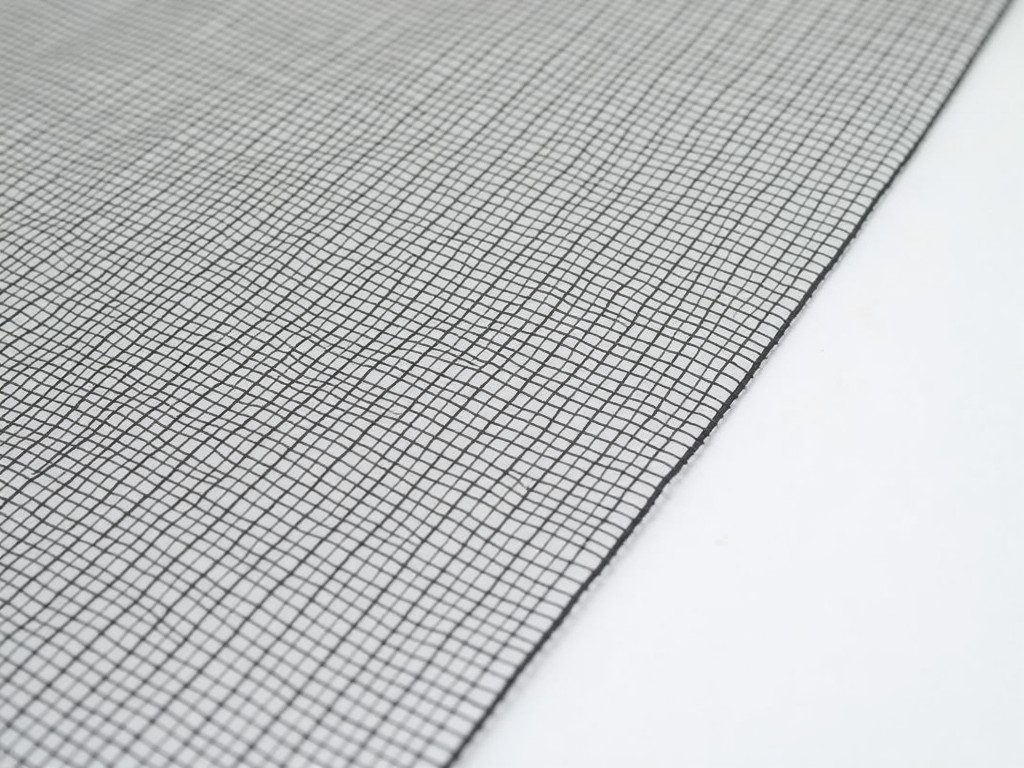
316 Powder Coated Stainless Steel Insect Window Screen Mesh
316 Powder Coated Stainless Steel Insect Window Screen Mesh
316 powder coated stainless steel insect screen mesh combines the corrosion resistance of marine-grade stainless steel with a durable polymer coating for enhanced longevity in harsh environments. This product addresses the specific failure modes of standard screens in coastal, industrial, and high-humidity applications where chloride exposure, UV degradation, and mechanical wear compromise performance.
Material Composition and Coating Technology
The base wire is manufactured from AISI 316 stainless steel, containing 16-18% chromium, 10-14% nickel, and 2-3% molybdenum. This alloy formulation provides superior resistance to pitting and crevice corrosion in chloride-rich environments compared to 304-grade stainless. The wire diameter typically ranges from 0.25mm to 0.40mm, selected based on required tensile strength and opening size.
The powder coating is applied via electrostatic spray followed by thermal curing at 180-200°C, forming a uniform 60-80 micron thick layer of thermoplastic polyester or epoxy-based resin. This coating acts as a barrier against direct chemical exposure while maintaining flexibility to withstand thermal cycling and impact without cracking. Coating adhesion exceeds 5B rating per ASTM D3359, ensuring long-term bond integrity under mechanical stress.
Performance Characteristics
The combination of 316 substrate and powder coating delivers measurable performance advantages over uncoated stainless or coated alternatives. The coating prevents galvanic corrosion at wire crossover points and reduces surface friction, minimizing debris accumulation and easing cleaning cycles. UV stabilizers in the coating formulation limit degradation, maintaining color stability and mechanical properties for over 5 years in direct sunlight exposure.
Tensile strength of the coated wire exceeds 800 MPa, with elongation at break between 10-15%, allowing the mesh to withstand wind loads and impact without permanent deformation. Opening sizes range from 1.0mm x 1.0mm to 2.0mm x 2.0mm, providing effective insect exclusion while maintaining adequate airflow and visibility. The coated surface reduces glare and improves visual clarity compared to bare metal screens.
Technical Specifications
| Property | Typical Value | Test Standard |
|---|---|---|
| Base Material | AISI 316 Stainless Steel | ASTM A240 |
| Wire Diameter | 0.25mm - 0.40mm | ASTM E11 |
| Opening Size | 1.0mm x 1.0mm - 2.0mm x 2.0mm | ASTM E11 |
| Coating Thickness | 60-80 microns | ASTM D1186 |
| Coating Adhesion | 5B (ASTM D3359) | ASTM D3359 |
| Tensile Strength | >800 MPa | ASTM A370 |
| UV Resistance | >5,000 hours (QUV) | ASTM G154 |
| Salt Spray Resistance | >1,000 hours (no red rust) | ASTM B117 |
Application Engineering Rationale
In coastal marine environments, airborne chlorides accelerate corrosion of unprotected steel screens, leading to premature failure within 6-18 months. The 316 substrate resists chloride penetration, while the powder coating eliminates direct contact between salt-laden moisture and the metal surface, extending service life to 5+ years in splash zones and marine atmospheres.
Industrial facilities with chemical washdown processes benefit from the coating’s resistance to mild acids, alkalis, and cleaning agents. The smooth, non-porous surface prevents biofilm formation and facilitates sanitation, meeting requirements for food processing and pharmaceutical areas where hygiene is critical. The mesh maintains integrity under repeated thermal cycling from steam cleaning or temperature fluctuations.
Architectural applications requiring long-term aesthetic consistency utilize the coating’s color stability and UV resistance. Available in standard RAL colors (e.g., black, bronze, white), the finish resists chalking and fading, eliminating the need for repainting or replacement due to visual degradation. The coating also reduces glare, improving occupant comfort in sun-exposed installations.
Customization and Integration Options
Mesh panels can be fabricated to exact dimensions with integrated framing systems, including aluminum, stainless steel, or PVC extrusions. Edge treatments options include hemmed borders, welded frames, or adhesive-backed strips for direct substrate attachment. Roll widths up to 2.0 meters are available for continuous processing in automated assembly lines.
Custom coating colors are achievable upon request, with minimum order quantities typically starting at 50 square meters. Specialized formulations, such as antimicrobial additives or increased UV stabilizer loads, can be incorporated based on environmental exposure data provided by the client. Tolerance control for opening size and wire diameter is maintained within ±0.02mm for precision filtration applications.
Packaging options include flat-packed panels in corrugated cartons or rolled on protective cores with shrink-wrap exterior. For export shipments, moisture-barrier liners and corner protectors are standard to prevent coating damage during transit. Labeling includes material grade, coating specifications, and batch traceability for quality control purposes.
Quality Assurance and Traceability
Each production lot undergoes incoming material verification with mill test reports for the 316 stainless wire. Coating thickness is measured at multiple points per square meter using magnetic induction gauges, with acceptance criteria based on statistical process control. Visual inspection under 10x magnification checks for pinholes, uneven coverage, or adhesion defects before shipment.
Accelerated aging tests combine UV exposure, salt fog, and thermal cycling to simulate real-world conditions, with performance data archived for reference. Batch numbers are etched or printed on packaging to enable full traceability from raw material to final product. Documentation including test reports, material certificates, and coating compliance statements is available upon request.
For technical consultation on material selection, environmental compatibility, or integration into specific assemblies, contact our engineering team to review project requirements and provide tailored recommendations.