


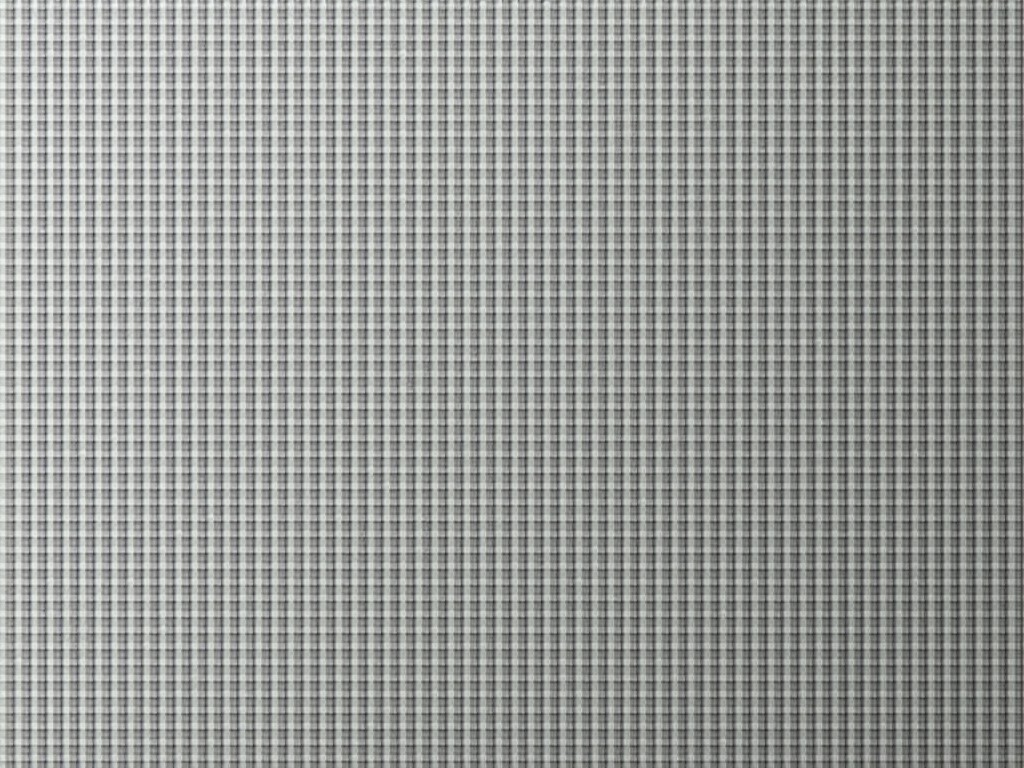
Oem Super Fine Stainless Steel Mesh
OEM Super Fine Stainless Steel Mesh
Super fine stainless steel mesh is engineered for applications requiring precise particle retention, consistent flow characteristics, and resistance to corrosion in demanding environments. The term "super fine" refers to mesh openings typically ranging from 5 to 50 microns, achieved through controlled wire drawing and weaving processes. This level of precision enables reliable filtration, separation, and screening where standard meshes lack the necessary accuracy.
Material selection directly influences performance longevity. Common grades include 304L and 316L stainless steel, chosen for their low carbon content which minimizes sensitization during welding and enhances resistance to intergranular corrosion. 316L, with added molybdenum, offers superior protection against chlorides and acidic solutions, making it suitable for chemical processing, pharmaceutical, and marine environments. Wire diameter and opening size are tightly controlled to ensure uniformity across the entire mesh sheet.
Key Technical Characteristics
The performance of super fine mesh depends on three interrelated parameters: wire diameter, opening size, and open area percentage. For example, a 20-micron mesh might use 10-micron diameter wires resulting in approximately 30% open area, while a 10-micron mesh with similar wire proportions could reduce open area to 15%. These values affect pressure drop, flow rate, and mechanical strength—critical factors in system design. Engineers must balance filtration efficiency with hydraulic resistance based on process requirements.
Tensile strength and elongation properties vary with wire diameter and temper. Annealed 316L wire typically exhibits tensile strength between 500–700 MPa and elongation of 40–60%, providing sufficient flexibility for forming and impact resistance. Cold-drawn tempers increase strength but reduce ductility, which may be preferable in high-pressure static filtration where deformation must be minimized. Mesh stability under cyclic loading is also influenced by wire interlock and crimp style.
| Mesh Opening (µm) | Typical Wire Diameter (µm) | Open Area (%) | Common Use Case |
|---|---|---|---|
| 50 | 25 | 36 | Pre-filtration in paint systems |
| 20 | 10 | 30 | Catalyst recovery in chemical reactors |
| 10 | 5 | 25 | Sterile filtration in biopharma |
| 5 | 2.5 | 20 | Nanoparticle separation in R&D |
Weave Types and Structural Implications
The weave pattern affects mesh integrity, flow dynamics, and cleanability. Plain weave, where each warp wire alternates over and under each weft wire, provides symmetrical opening dimensions and is most common for super fine applications due to its simplicity and repeatability. Twill weave, with wires passing over two then under two, offers greater wire support and higher burst strength but creates slightly irregular flow paths. Dutch weave uses finer weft wires packed tightly with coarser warp wires, achieving high filtration efficiency with lower pressure drop—ideal for critical fluid clarification.
Crimp style influences wire positioning and mesh rigidity. Intermediate crimp is standard for most super fine meshes, ensuring wires remain locked in place without excessive deformation. Lock crimp, where wires are deformed at intersections to prevent relative movement, enhances stability under vibration or pulsating flow but may reduce open area slightly. For applications requiring minimal flow disturbance, plain weave with intermediate crimp is often selected to maintain hydraulic predictability.
Industrial Applications and Process Fit
In pharmaceutical manufacturing, super fine mesh is used in sterile filtration of parenteral solutions where removal of sub-micron particulates and microorganisms is mandated by regulatory standards. The mesh acts as a pre-filter or final barrier in cartridge systems, protecting downstream membranes from fouling. Consistent pore structure ensures predictable challenge test results, which is essential for validation protocols. Material traceability and surface finish are controlled to meet ISO 10993 and USP Class VI requirements where applicable.
Chemical processors deploy super fine mesh in catalyst recovery systems to retain fine powder catalysts while allowing reacted fluids to pass. Mesh must withstand exposure to solvents, acids, and elevated temperatures without degradation or wire breakage. 316L is frequently selected due to its resistance to pitting in chloride-containing environments. Periodic backwashing or ultrasonic cleaning is feasible due to the mesh’s smooth surface and inertial particle release characteristics, extending service life in continuous operations.
In advanced manufacturing, such as semiconductor wafer cleaning or battery electrode production, super fine mesh ensures removal of metallic particles that could cause micro-shorts or defects. Here, mesh integrity is critical—any wire fracture risks introducing contaminants worse than the original particles. Electropolishing is often applied to remove surface impurities and reduce adhesion points, improving cleanability and minimizing particle shedding during use. Mesh is typically supplied in cut-to-size discs or custom frames to integrate directly into processing equipment.
Customization and Supply Considerations
OEM suppliers offer customization in dimensions, edge treatment, and mounting configurations. Mesh can be supplied as rolls, cut sheets, or die-stamped discs with tolerances as tight as ±0.1 mm for diameter and ±0.5 mm for length. Edge options include plain, hemmed, or welded rings to prevent fraying and facilitate sealing in housings. For high-vibration environments, mesh may be laminated with perforated metal backing or embedded in polymer frames to enhance mechanical support without significantly obstructing flow.
Surface treatments such as electropolishing, passivation, or ultrasonic cleaning are available to meet specific cleanliness standards. Electropolishing removes a controlled layer of material, reducing surface roughness and embedded contaminants—beneficial in ultra-clean processes. Passivation enhances the passive oxide layer, improving corrosion resistance after fabrication. These treatments are particularly relevant when mesh is used in food, dairy, or semiconductor applications where particulate or ionic contamination must be minimized.
Quality Assurance and Inspection
Quality control begins with raw material verification, including mill test reports for chemical composition and mechanical properties. Wire diameter is monitored via laser micrometry during drawing, and opening size is validated using optical microscopy or bubble point testing on finished mesh. Bubble point testing correlates the pressure required to emit air from a wetted mesh with the largest pore size, providing a non-destructive method to assess integrity. For critical applications, 100% visual inspection under magnification may be performed to detect broken wires or weaving defects.
Dimensional stability is assessed through repeated wet/dry cycling or exposure to process temperatures to ensure no significant creep or distortion. Burst strength testing evaluates resistance to sudden pressure surges, while flow resistance measurements confirm adherence to specified open area and hydraulic performance. Suppliers typically provide inspection documentation upon request, including conformity certificates and test data traceable to the production batch. These records support supplier qualification and audit readiness.