


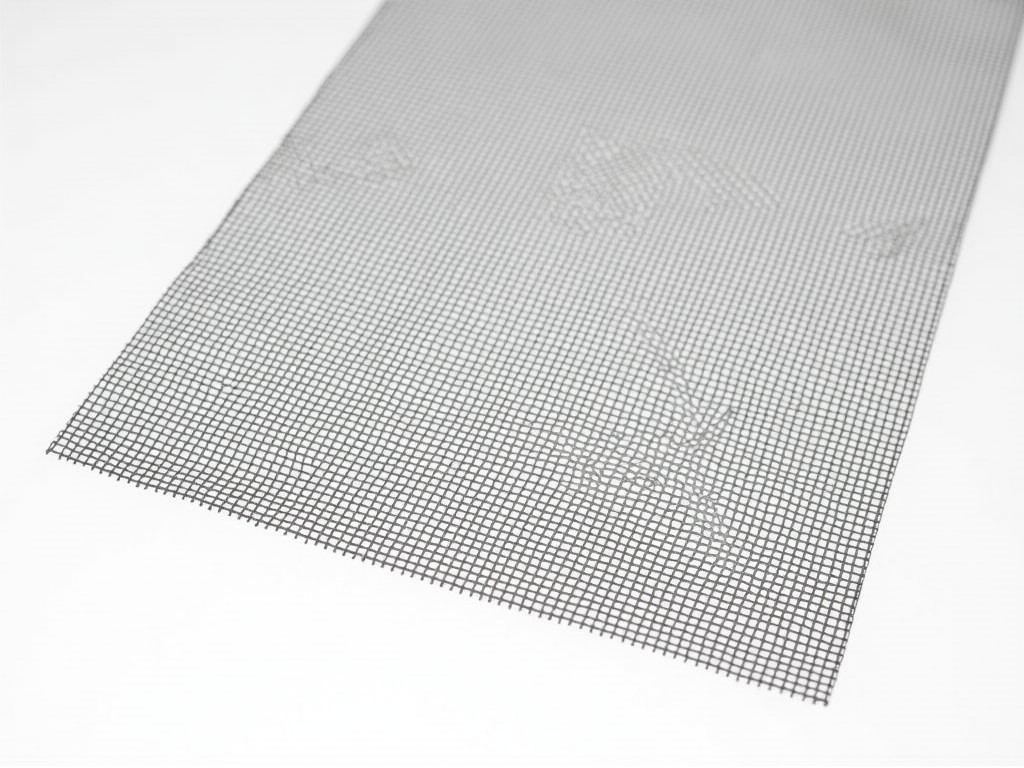
Powder Coated 304 Stainless Steel Fly Screen Suppliers
Powder Coated 304 Stainless Steel Fly Screen Suppliers
This page details the technical specifications, manufacturing processes, and application considerations for powder coated 304 stainless steel fly screens supplied to industrial and commercial clients. The focus is on material performance, coating durability, and dimensional precision required for long-term service in demanding environments.
Understanding the interplay between substrate selection, surface preparation, and coating properties is essential for specifying screens that resist corrosion, maintain optical clarity, and withstand mechanical stress over extended lifecycles.
Material Base: 304 Stainless Steel Substrate
The foundation of these fly screens is AISI 304 stainless steel wire mesh, chosen for its inherent corrosion resistance in atmospheric and mildly aggressive environments. This alloy contains approximately 18% chromium and 8% nickel, forming a passive chromium oxide layer that self-repairs when exposed to oxygen.
Wire diameters typically range from 0.3 mm to 0.8 mm, with mesh openings from 1.0 mm to 2.5 mm, balancing insect exclusion with airflow efficiency. The tensile strength of 304 stainless steel wire averages 500–700 MPa, providing sufficient rigidity for framing and resistance to sagging under wind load or periodic cleaning.
Unlike carbon steel or lower-grade stainless alternatives, 304 does not require frequent recoating in coastal or industrial zones where chloride exposure is moderate, reducing lifecycle maintenance intervals.
Powder Coating Process and Performance
The substrate undergoes a multi-stage pretreatment: alkaline degreasing, water rinsing, acid pickling to remove oxides, and a zirconium-based conversion coating to enhance adhesion. This prepares the passive stainless steel surface for optimal bonding with thermoset powder.
Electrostatic spray application deposits a uniform layer of epoxy or hybrid powder (typically 60–80 µm thickness) followed by curing at 180–200°C for 10–15 minutes. This creates a cross-linked film with excellent adhesion (>5 MPa pull-off strength per ASTM D4541) and resistance to cracking under flex.
The coating acts as a barrier, further reducing chloride ingress and UV degradation. Color stability is maintained for 5+ years in direct sunlight when using UV-stabilized pigments, with gloss retention exceeding 70% after 1,000 hours of QUV exposure.
Key Technical Characteristics
| Property | Typical Value or Range |
|---|---|
| Substrate Material | AISI 304 Stainless Steel Wire Mesh |
| Wire Diameter | 0.3 mm – 0.8 mm |
| Mesh Opening | 1.0 mm – 2.5 mm |
| Coating Type | Epoxy or Hybrid Thermoset Powder |
| Coating Thickness | 60 – 80 µm |
| Adhesion Strength | >5 MPa (ASTM D4541) |
| Salt Spray Resistance | >500 hours (ASTM B117, no red rust) |
| UV Stability (Gloss Retention) | >70% after 1,000h QUV |
| Operating Temperature Range | -30°C to +80°C |
Industrial Applications and Functional Benefits
In food processing facilities, these screens prevent insect ingress into production zones while allowing sufficient airflow for ventilation and cooling. The smooth, non-porous powder coat facilitates cleaning-in-place (CIP) procedures and resists adherence of organic residues, reducing biofilm formation risks.
Pharmaceutical manufacturing environments benefit from the combination of corrosion resistance and cleanable surfaces, supporting compliance with ISO 14644 and GMP guidelines. The coating does not outgas or shed particles under normal operating conditions.
Architectural installations in humid climates—such as pool enclosures, food service exteriors, or tropical buildings—leverage the dual protection of 304 stainless steel and powder coating to maintain appearance and function without frequent repainting, unlike painted carbon steel alternatives that show rust creep within 12–24 months in similar conditions.
Customization and Dimensional Flexibility
Suppliers accommodate custom dimensions based on frame specifications, with maximum panel sizes typically limited by handling and coating equipment constraints (commonly up to 2.4 m × 1.2 m for single-piece units). Larger installations use modular framing with intermediate supports.
Mesh tensioning methods vary: spline grooving in aluminum or PVC frames, wedge locking in steel extrusions, or adhesive bonding for specialized substrates. Frame materials are selected to match the screen’s environmental exposure—powder coated aluminum for lightweight corrosion resistance, or galvanized steel for structural rigidity in high-wind areas.
Color options extend beyond standard RAL shades to include textured finishes, metallic effects, and custom color matching upon request. Edge treatments—such as folded hems, welded corners, or rubber gaskets—are adapted to installation method and expected mechanical stress.
Quality Assurance and Inspection Protocol
Incoming wire mesh is inspected for diameter consistency, tensile strength, and surface cleanliness using calibrated micrometers and tensile testers. Post-coating, thickness is verified via magnetic or eddy current gauges at multiple points per panel to ensure uniformity.
Adhesion is tested using cross-hatch (ASTM D3359) and pull-off methods on sample coupons. Visual inspection under 500 lux lighting checks for pinholes, orange peel, or uneven coverage. Color consistency is measured spectrophotometrically against master batches.
Final assembly checks include frame squareness, mesh tension uniformity, and corner integrity. Packaging uses corrugated cardboard with edge protectors and moisture barriers to prevent coating abrasion and staining during transit. Each shipment includes a mill test report for the substrate and a coating compliance certificate.
Ordering and Lead Time Considerations
Quotations require detailed specifications: overall dimensions, mesh opening, wire diameter, frame type and material, RAL color or custom finish, mounting hole locations, and any required certifications (e.g., FDA-compliant coatings for food contact zones).
Sample panels are available for validation, typically produced within 5–7 working days after drawing approval. Mass production lead times range from 10–18 days for standard configurations, extending to 20–25 days for custom colors, specialized frames, or large-format panels requiring segmented fabrication.
Export shipments are packed according to ISPM 15 standards when required, with desiccant packs and humidity indicators included for long-distance or high-humidity routes. Documentation includes commercial invoice, packing list, and origin declaration upon request.
For technical inquiries, specification support, or to request a formal quotation, contact our engineering team.
Request Quotation or Technical Consultation