


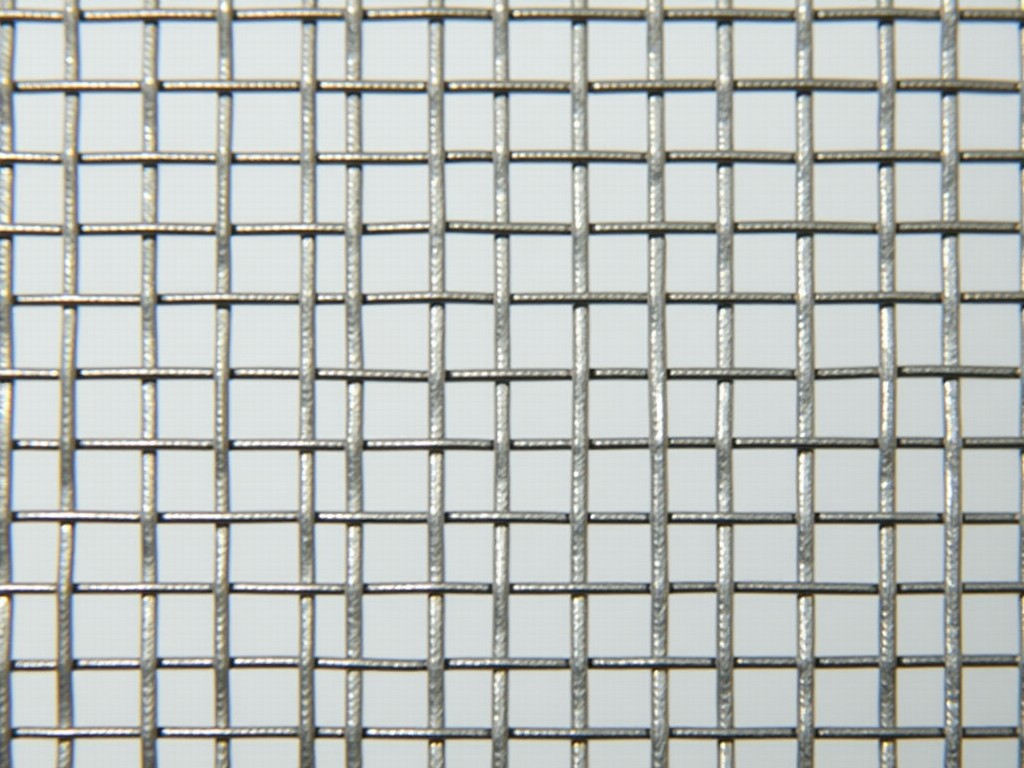
Powder Coated Stainless Steel Window Screen Mesh Company
Powder Coated Stainless Steel Window Screen Mesh: Technical Overview
Powder coating applied to stainless steel window screen mesh creates a durable barrier that combines the inherent corrosion resistance of stainless alloys with a protective polymer finish. This dual-layer system addresses environmental challenges where bare stainless steel may still experience staining, tea-staining, or surface degradation under prolonged UV exposure, chemical splash, or coastal salt spray. The coating acts as a sacrificial layer, preserving the substrate’s integrity while providing aesthetic consistency across architectural facades.
Material Composition and Coating Process
The base mesh is typically manufactured from austenitic stainless steel grades such as 304 or 316, selected for their chromium-nickel content that forms a passive oxide layer. Wire diameters range from 0.25mm to 0.8mm depending on tensile requirements, with aperture sizes calibrated for insect exclusion, debris filtration, or fall protection. Prior to coating, the mesh undergoes alkaline cleaning, deionized water rinsing, and phosphating to ensure optimal adhesion. The powder coating—usually a thermoplastic or thermoset polymer like polyester, epoxy, or hybrid—is applied via electrostatic spray and cured at 180–200°C to form a continuous, adherent film measuring 60–120 microns in thickness.
Performance Characteristics
The powder coating enhances UV stability, reducing chromatic fading and chalking compared to uncoated stainless steel exposed to direct sunlight. Salt spray resistance per ASTM B117 typically exceeds 1,000 hours before visible degradation, depending on coating formulation and edge coverage. Abrasion resistance, measured by Taber abrasion tester (CS-10 wheels, 1,000g load), shows weight loss under 50mg for high-performance polyester coatings. The coating also improves cleanability, as its low surface energy reduces particulate adhesion, facilitating maintenance in industrial or urban environments.
Typical Applications
These meshes are specified in environments where both durability and appearance matter over extended service life. Common uses include high-rise building facades requiring fall protection screens, food processing facilities needing hygienic, cleanable barriers, and transportation infrastructure such as train stations or airports where screens must resist vandalism, weathering, and frequent cleaning. In coastal regions, the coating mitigates chloride-induced pitting that can affect bare 304 stainless, extending functional life beyond 15 years with minimal maintenance.
Customization Options
Aperture geometry can be tailored to specific exclusion criteria—square, rectangular, or hexagonal openings ranging from 1mm² for micro-insect control to 20mm² for debris screening in HVAC intakes. Wire diameter and tensile strength are adjusted based on load expectations, such as wind pressure ratings for exterior installations or impact resistance for security screens. Coating color is matched to RAL or Pantone standards for architectural integration, with options for matte, satin, or gloss finishes. Edge treatments include hemmed, folded, or framed configurations to prevent fraying and facilitate mounting.
Quality Assurance and Testing
Incoming wire is verified for chemical composition via spectrometer and mechanical properties through tensile testing. Post-coating, adhesion is assessed using cross-hatch tape tests (ASTM D3359), with 5B rating indicating no delamination. Coating thickness is measured magnetically or via eddy current probes at multiple points to ensure uniformity. Visual inspection under standardized lighting checks for pinholes, orange peel, or uneven curing. Batch traceability is maintained from raw material to final packaging, supporting compliance with ISO 9001 and project-specific documentation requirements.
| Property | Typical Range / Value | Test Standard |
|---|---|---|
| Base Material | SS 304 or SS 316 | ASTM A240 |
| Wire Diameter | 0.25mm – 0.8mm | Caliper / Micrometer |
| Aperture Size | 1mm² – 20mm² | Optical Comparator |
| Coating Thickness | 60–120 microns | ASTM D1186 / B499 |
| Adhesion (Cross-Hatch) | 5B (ASTM D3359) | ASTM D3359 |
| Salt Spray Resistance | >1,000 hours | ASTM B117 |
| UV Stability (Color Retention) | ΔE < 5 after 1,000h | ASTM G154 |
Selection Considerations
When specifying powder coated stainless steel mesh, evaluate the environmental exposure class—urban, industrial, marine, or chemical—to determine if 304 or 316 substrate is required. Assess mechanical loads: wind load calculations for exterior façades, impact resistance for low-level installations, or tensile safety factors for fall protection. Confirm coating compatibility with cleaning agents used in facility maintenance schedules. For reusable systems, consider demountability and re-coating potential. Engage suppliers early to validate aperture tolerances and edge finish against installation hardware.