


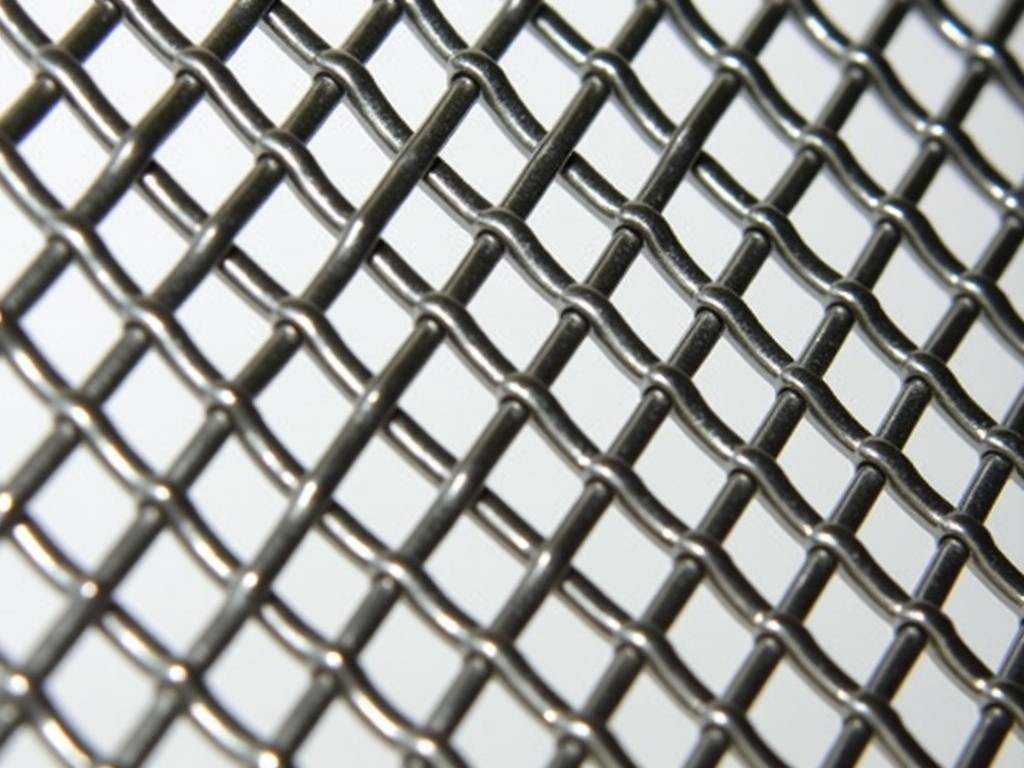
Stainless Steel Mesh Price List Quotation
Stainless Steel Mesh Price List Quotation
Industrial buyers evaluating stainless steel mesh require clear technical parameters to assess suitability and cost. Price variations stem from material grade, wire diameter, aperture size, weave type, and surface treatment—not merely market fluctuations. This page explains how each factor influences quotation logic, enabling procurement teams to request accurate pricing based on engineering specifications rather than generic estimates.
Key Factors Affecting Stainless Steel Mesh Pricing
Wire diameter directly impacts material usage and tensile strength. A 0.5mm wire in 304 stainless steel consumes nearly twice the material of a 0.35mm variant at identical aperture and weave, increasing raw material cost proportionally. Aperture size inversely affects open area percentage—smaller apertures increase wire count per square meter, raising both material and weaving complexity costs. For example, a 1mm aperture mesh requires approximately 40% more linear wire than a 2mm aperture mesh of the same grade and diameter.
Material grade determines corrosion resistance and temperature tolerance. 304 stainless steel is standard for general industrial use, while 316L offers superior chloride resistance for marine or chemical processing environments, typically adding 15–25% to base material cost. Duplex grades like 2205 provide enhanced strength and stress corrosion cracking resistance, justifying higher pricing in high-pressure filtration or structural applications. Surface treatments such as electropolishing or passivation add processing steps but reduce contamination risk in food or pharmaceutical applications.
Weave type influences both mechanical properties and manufacturing efficiency. Plain weave is the most common and cost-effective, offering balanced strength and stability. Twill weave provides greater flexibility and finer filtration capability but requires more complex looms, increasing production time by 20–30%. Dutch weave, with its asymmetric wire diameters, achieves high filtration precision with lower pressure drop but involves specialized weaving techniques, often commanding a premium due to lower yield and higher setup costs.
Typical Price Ranges by Specification
| Wire Diameter (mm) | Aperture (mm) | Grade | Weave Type | Typical Price Range (USD/m²) |
|---|---|---|---|---|
| 0.35 | 1.0 | 304 | Plain | 18–22 |
| 0.50 | 0.5 | 304 | Plain | 28–35 |
| 0.35 | 0.2 | 316L | Twill | 42–52 |
| 0.25 | 0.1 | 316L | Dutch | 65–85 |
| 0.40 | 0.8 | 2205 Duplex | Plain | 45–58 |
These ranges reflect ex-works pricing for standard roll widths (typically 1m or 1.2m) and include base material, weaving, and basic inspection. Custom widths, slitting to specific dimensions, edge finishing (such as hemmed or welded edges), or special packaging (vacuum-sealed, corrosion-inhibiting interlayers) add incremental costs. Volume discounts apply linearly above 50m² for standard specifications; custom orders require individual assessment due to setup time and material yield variability.
Information Required for Accurate Quotation
To generate a binding price list quotation, suppliers require specific technical data: exact stainless steel grade (e.g., 304, 316L, 2205), nominal wire diameter and tolerance, aperture size and shape (square, rectangular, slotted), weave pattern, roll width and length, and any post-weave treatments. Edge condition—whether raw, hemmed, or welded—affects both cost and handling safety. For filtration applications, specifying required flow rate, particle retention size, and operating temperature and pressure enables engineers to recommend optimal mesh geometry rather than relying on generic aperture assumptions.
Environmental factors influence both material selection and pricing. Exposure to chlorides, acids, or elevated temperatures necessitates higher alloy grades, which increase material cost and may require specialized welding or annealing processes. In hygienic industries, surface roughness (Ra value) and cleanability standards (e.g., 3-A SSI, FDA compliance) dictate electropolishing or passivation requirements, adding processing steps. Providing the intended operating environment allows suppliers to quote only viable configurations, avoiding costly redesigns later.
Quotation Validity and Lead Time Considerations
Stainless steel mesh quotations typically remain valid for 15–30 days due to raw material price volatility in the nickel and chromium markets. Lead times vary significantly by specification: standard 304 plain weave in common apertures often ships within 2–3 weeks, while custom 316L Dutch weave or duplex grades may require 4–6 weeks due to material sourcing, loom setup, and extended inspection. Expedited processing is available but incurs rush fees, typically 20–40% above base price, and is subject to production schedule availability.
Quality assurance documentation affects both cost and trust. Mill test reports (MTRs) for raw wire, dimensional inspection reports, and surface analysis certificates add administrative overhead but are frequently required in regulated industries. Suppliers should clarify whether these are included in the base price or offered as optional add-ons. Packaging for export—such as moisture-barrier wraps, wooden crates, or corrosion-inhibiting VCI layers—adds 5–15% to total cost but prevents oxidation and contamination during transit, especially critical for long-haul shipments to humid or saline environments.
Requesting a Customized Price List Quotation
To receive a precise, actionable price list quotation, provide the following: detailed mesh specification (grade, wire diameter, aperture, weave, width, length), required quantity, delivery timeline, destination country, and any required certifications (e.g., EN 10204 3.1, FDA, 3-A). Indicate whether edge finishing, custom slitting, or special packaging is needed. Suppliers use this data to calculate exact material consumption, machine time, and logistics costs, eliminating guesswork and reducing the risk of quote revisions after order placement.
Technical clarity in the request phase ensures the quotation reflects true production cost, not a placeholder. This approach minimizes back-and-forth, accelerates procurement cycles, and supports accurate budgeting for capital projects or ongoing maintenance schedules. For complex applications involving multiple mesh types or integrated filtration systems, consolidated quotations can be prepared to compare total system cost across material and design alternatives.