


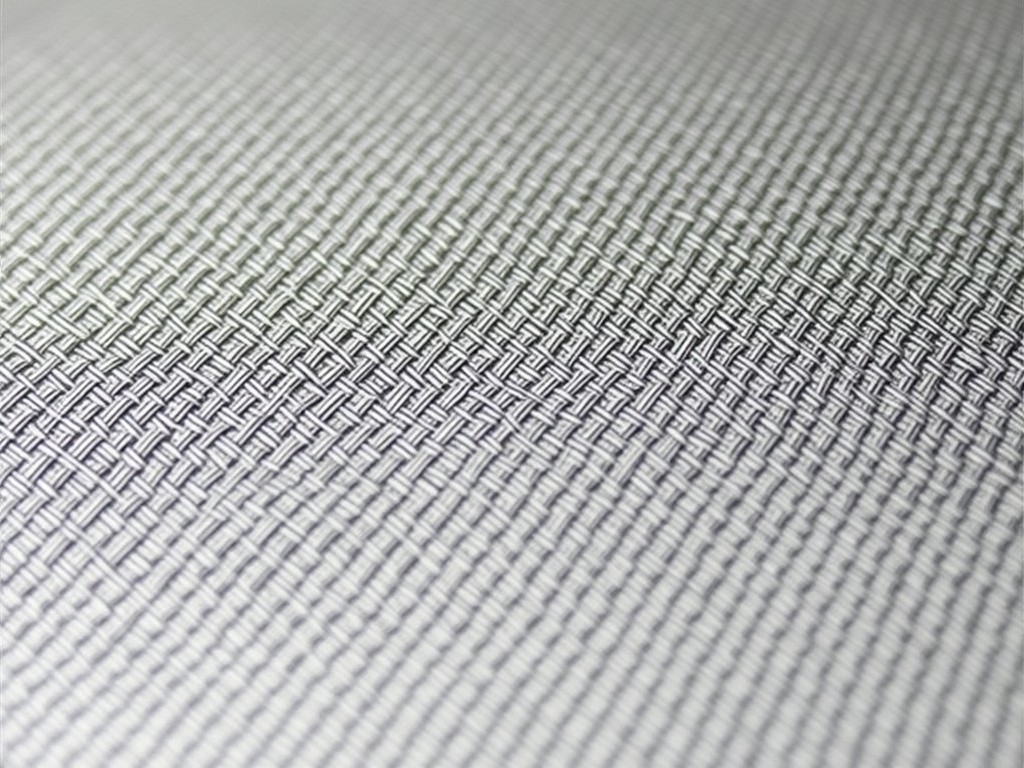
Stainless Steel Welded Wire Mesh Rolls Suppliers
Stainless Steel Welded Wire Mesh Rolls: Technical Specifications and Industrial Applications
This page details the engineering characteristics, material options, and functional capabilities of stainless steel welded wire mesh rolls supplied for industrial use. Information is structured to support technical evaluation by procurement engineers, designers, and maintenance planners.
Material Composition and Corrosion Resistance
Stainless steel welded wire mesh rolls are manufactured from austenitic grades such as 304, 316, and 316L, selected based on environmental exposure and mechanical demands. Grade 304 offers adequate resistance to atmospheric corrosion and mild chemical exposure in indoor or sheltered outdoor settings. Grade 316, with molybdenum addition, provides enhanced protection against chlorides and acidic environments, making it suitable for marine, food processing, and chemical handling applications. Grade 316L features lower carbon content to minimize carbide precipitation during welding, preserving corrosion resistance in heat-affected zones. Wire diameter typically ranges from 0.8 mm to 6.0 mm, with tensile strength between 500–800 MPa depending on grade and cold work level.
Manufacturing Process and Structural Integrity
The mesh is produced using automated resistance welding, where intersecting wires are fused at each crossover point through localized heating and pressure. This creates a uniform, rigid grid without reliance on weaving or mechanical interlocking. Weld strength typically exceeds 90% of the parent wire’s tensile strength, ensuring load distribution across the panel under stress. Mesh aperture sizes range from 6 mm × 6 mm to 100 mm × 100 mm, with standard roll widths from 0.5 m to 2.0 m and lengths up to 30 m, depending on wire diameter and handling constraints. Edge wires are often reinforced or folded to prevent unraveling and improve handling safety.
Performance Characteristics in Service Conditions
The welded construction provides consistent open area and predictable flow dynamics, critical in filtration, screening, and containment applications. Unlike woven mesh, welded variants resist aperture distortion under mechanical load or vibration, maintaining dimensional stability over time. Thermal expansion coefficient is approximately 16–18 µm/m·°C, relevant for installations exposed to temperature cycling. Surface finish is typically mill finish (2B or 2D), with optional passivation or electropolishing available for enhanced cleanliness in sanitary environments. Magnetic permeability remains low for austenitic grades, though slight magnetism may develop due to cold working during welding.
Industrial Applications and Functional Suitability
In food and beverage processing, 316L mesh is used in drying trays, conveyor belts, and washdown enclosures where resistance to frequent cleaning agents and moisture is essential. In chemical plants, it serves as catalyst support, flame arrestor backing, and protective shielding for sensors and valves exposed to corrosive vapors. Architectural applications include balustrades, facade cladding, and sun shading, where aesthetic durability and low maintenance are prioritized. In mining and aggregate processing, the mesh functions as screen media for vibratory separators, withstanding abrasion from sand, gravel, and crushed stone. Agricultural uses include animal enclosures, crop drying racks, and greenhouse supports, benefiting from UV stability and resistance to fertilizer corrosion.
Customization Options and Dimensional Control
Suppliers offer customization of wire diameter, aperture size, roll dimensions, and edge treatment to match specific equipment or installation requirements. Custom aperture patterns—such as rectangular, staggered, or reinforced zones—can be engineered for directional flow or localized reinforcement. Surface treatments like degreasing, passivation, or electropolishing are available upon request to meet hygiene or electrochemical specifications. Tolerances on aperture size typically hold within ±5% for standard products, with tighter control available for precision filtration or optical applications. Roll weight varies significantly with specifications; a 1 m wide × 20 m long roll of 2.0 mm wire, 50 mm aperture, 304 grade weighs approximately 28 kg.
Quality Assurance and Inspection Protocols
Quality control begins with raw material verification via mill test certificates (MTC) confirming chemical composition and mechanical properties. In-process checks monitor weld consistency, wire tension, and alignment to prevent defects such as missed welds or uneven tension. Final inspection includes dimensional audits of aperture and width, visual assessment for surface defects, and mechanical testing of weld shear strength on samples. Non-destructive methods like magnetic particle inspection may be applied for critical applications. Documentation including MTC, inspection reports, and conformance statements is provided with each shipment. Suppliers typically follow ISO 9001-based quality systems, with traceability maintained per batch or lot.
| Parameter | Typical Range / Options |
|---|---|
| Stainless Steel Grade | 304, 316, 316L (others available upon request) |
| Wire Diameter | 0.8 mm – 6.0 mm |
| Aperture Size | 6 mm × 6 mm – 100 mm × 100 mm (custom sizes available) |
| Roll Width | 0.5 m – 2.0 m (standard); wider via splicing |
| Roll Length | Up to 30 m (dependent on weight and handling) |
| Surface Finish | Mill finish (2B/2D); passivation, electropolishing optional |
| Tensile Strength (Wire) | 500 – 800 MPa (grade and temper dependent) |
| Weld Shear Strength | ≥90% of parent wire tensile strength |
Packaging, Handling, and Logistics
Mesh rolls are wound tightly onto cardboard or plastic cores, then wrapped in polyethylene film to protect against moisture and surface abrasion during transit. For heavy-duty or long-length rolls, steel or wooden battens may be added to prevent sagging or deformation. Rolls are labeled with grade, dimensions, weight, and batch number for traceability. Palletized shipments use stretch wrapping and corner protectors to stabilize loads. Standard packaging supports forklift handling and containerized export. Special packaging—such as vacuum sealing, corrosion-inhibiting wraps, or wooden crates—is available for sensitive environments or extended storage. Customers should specify handling constraints (e.g., maximum roll weight, diameter limits) during quotation to ensure compatibility with on-site equipment.
Ordering Information and Technical Support
To receive an accurate quotation and lead time, suppliers require the following technical details: stainless steel grade, wire diameter, aperture size (width × height), roll width and length, edge treatment preference, surface finish, and any applicable industry standards (e.g., FDA, 3-A SSI, ASME). Application context—such as exposure to chemicals, temperature, vibration, or sanitary requirements—helps recommend optimal specifications. Free samples of standard configurations are typically available upon request, with custom samples subject to setup fees. Lead times vary from 2–4 weeks for stock items to 6–8 weeks for custom orders, depending on material availability and production load. Technical teams can assist with aperture optimization for flow rate, pressure drop, or structural loading calculations.